
How Identifying Hidden Water Issues Can Halt Mold Problems
Mold growth is a common issue in many homes and businesses. It can lead to health problems and structural damage if not addressed promptly. One of the key factors that contribute to mold development is excess moisture. This often comes from unseen leaks within walls, floors, or ceilings. By identifying and addressing these water sources early, you can prevent significant mold issues. In this article, we will explore how detecting leaks can play a crucial role in mold prevention.
Understanding Moisture’s Impact on Mold Growth
Mold thrives in damp environments. When moisture seeps into hidden areas of your home, it creates the perfect breeding ground for mold spores. These spores are always present in the air, but they need moisture to grow. Once they find the right conditions, they can spread rapidly. Therefore, controlling moisture levels is essential in preventing mold.
The Importance of Leak Detection
Effective leak detection is one of the most proactive measures you can take against mold growth. It involves identifying leaks before they cause extensive damage. When water escapes from pipes and fixtures undetected, it saturates building materials. This hidden moisture can support mold colonies without you even knowing. Advanced technologies now allow homeowners to detect leaks with precision. This means you can address them quickly before they become a bigger problem.
How Regular Inspections Help
Scheduling regular inspections by professionals skilled in leak detection can save you time and money. These experts use tools such as thermal imaging cameras and moisture meters to find hidden leaks. Early identification prevents potential mold infestations, saving on costly repairs later. Keeping up with regular checks ensures that any leaks are caught early.
Common Sources of Leaks
Leaks often originate from several common sources. Being aware of these can help you spot potential issues quickly:
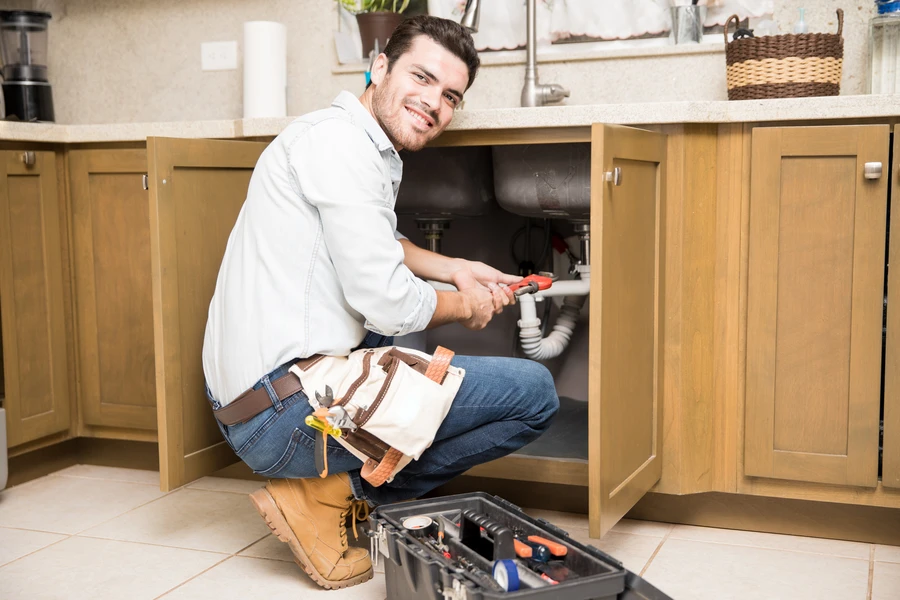
- Pipes under sinks or behind walls
- Roofing that allows rainwater to seep through
- Faulty window seals letting water inside
- Inefficient HVAC systems causing condensation
Implementing Effective Solutions
Once a leak is detected, it’s crucial to act swiftly. Here are some steps you can take:
- Identify the source of the leak using professional services.
- Repair or replace damaged plumbing or roofing materials.
- Ensure proper ventilation to reduce indoor humidity.
- Use dehumidifiers in damp-prone areas.
These actions help maintain a dry environment, making it difficult for mold to grow.
Best Practices for Mold Prevention
Preventing mold requires ongoing vigilance and maintenance. Consider the following best practices:
- Keep gutters clean to prevent water buildup.
- Check weather stripping around windows and doors regularly.
- Inspect your home’s foundation for cracks where water could enter.
- Maintain proper insulation to avoid condensation buildup.
By adhering to these practices, you can protect your home from potential mold issues.
Weighing Cost Against Benefits
While there may be costs associated with regular inspections and repairs, the benefits outweigh these expenses. Addressing leaks early saves money in the long run by avoiding extensive mold remediation and property damage repairs. It’s an investment in maintaining the integrity and safety of your home.

Your Partner in Mold Prevention
If you’re looking for reliable solutions to prevent mold growth, contact us at (425) 201-0991. We offer expert services tailored to meet your needs. Located in Everett, WA, our team at Everett AA Plumbing specializes in advanced techniques for detecting and resolving leaks efficiently. Protect your home today by reaching out to our experienced professionals.