
A Comprehensive Guide to the Steps Involved
The process of fixing underground pipes can be a complex task. Many homeowners face challenges when it comes to addressing issues with their wastewater systems. This guide is designed to help you understand the necessary steps involved in repairing these essential components of your home’s infrastructure. From identifying the problem to completing the repair, we’ll explore the key stages and best practices for ensuring a successful outcome.
Identifying the Issue With Your Pipes
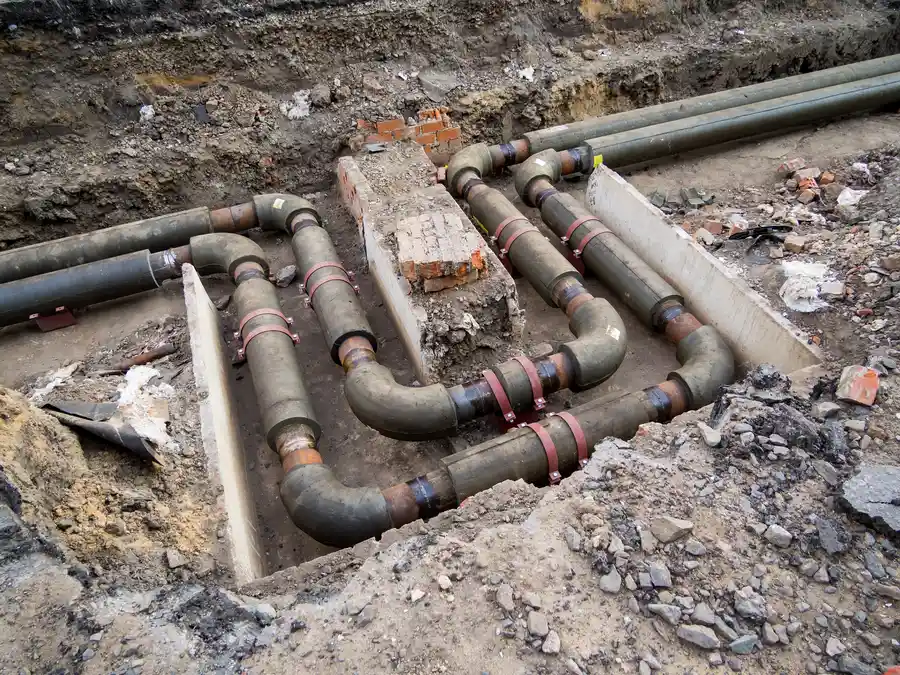
The first step in addressing any problem with your sewer system is to identify the issue. Common signs that indicate a need for repair include slow-draining sinks, gurgling noises from the toilet, or unpleasant odors coming from your drains. Once you’ve noticed these symptoms, it’s important to act quickly to prevent further damage.
Evaluating Repair Options
Once you’ve identified an issue, it’s time to explore potential solutions. Evaluating the condition of your pipes will help determine the best course of action. Options may include traditional excavation methods or more advanced techniques like trenchless technology. Consulting with professionals who specialize in sewer repair can provide valuable insights into which approach suits your situation.
Trenchless Technology: A Modern Solution
Trenchless technology has revolutionized how repairs are conducted, providing a less invasive alternative to traditional methods. This technique involves minimal digging, preserving landscaping while offering efficient pipe restoration. Benefits include reduced disruption to your property and faster completion times compared to traditional sewer repair approaches.
The Key Steps in the Repair Process
Carrying out repairs typically involves several critical phases. Here’s a breakdown of what you can expect:
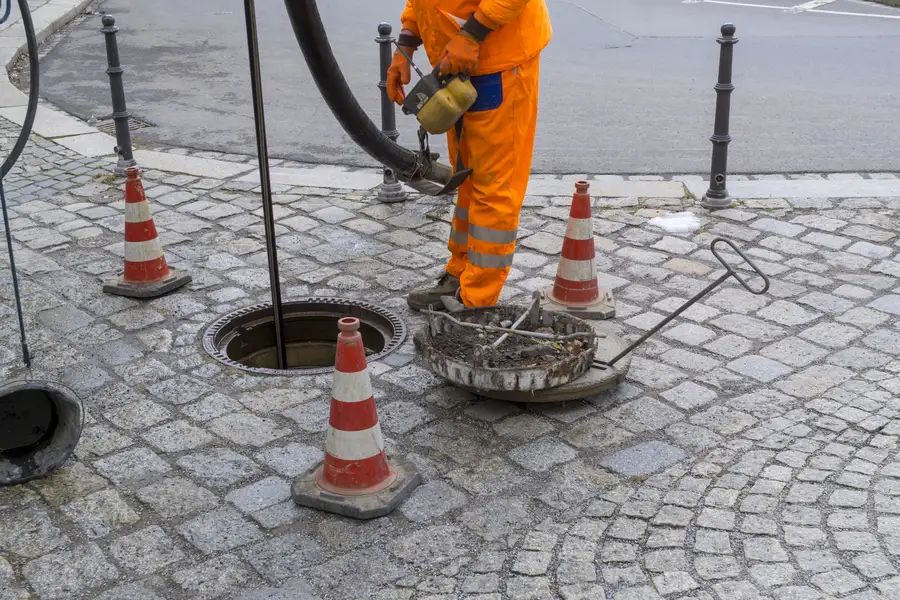
- Inspection using cameras to pinpoint the exact location of problems
- Cleaning the affected area to clear obstructions and prepare for repairs
- Selecting the appropriate repair method based on evaluation results
- Executing repairs using chosen techniques such as lining or bursting
Quality Assurance and Testing
After repairs are completed, it’s crucial to ensure everything functions correctly. Quality assurance processes involve re-inspecting repaired sections and testing water flow to confirm no blockages remain. This step guarantees long-term reliability and prevents future issues from arising.
Cost Factors and Budgeting
Many factors influence the cost of sewer repairs, including pipe material, extent of damage, and chosen repair method. Typically, modern techniques like trenchless technology can save money by reducing labor costs associated with traditional excavation. It’s vital to get detailed estimates from contractors before proceeding so you can plan your budget accordingly.
Choosing the Right Professionals for the Job
Finding trustworthy experts plays an essential role in achieving satisfactory outcomes. Look for companies specializing in innovative repair methods backed by solid reputations and positive customer feedback. Researching credentials ensures you’re partnering with qualified professionals who prioritize quality workmanship.
Your Pathway to Effective Solutions
By understanding each stage involved in restoring your plumbing system, you empower yourself to make informed decisions about maintenance needs. Prioritizing regular inspections helps catch minor issues early before they escalate into costly repairs down the line. Located in Everett, WA, we are committed to helping you protect your home investment efficiently through our expert services. Call us at (425) 201-0991 today! For dependable solutions tailored specifically around customer satisfaction goals, trust Everett AA Plumbing-where excellence meets innovation!